



15 Apr 13 Photography Competition Tips from a Professional Judge
Things I Learned from Judging a Photography Competition (That Will Help You Win Yours)
I’ve had the opportunity to judge the NAPCP digital image competition once and the print competition twice. It’s such a privilege to be a judge—and it’s also incredibly educational.
Whenever I review work, I try to think about what I would say to clearly explain why I scored each piece the way I did.
While judging the digital image competition last year, I took some notes that I want to share with you. If you’re preparing to enter a photography competition, these tips might help you select stronger images, refine your work, and ultimately improve your scores.

Photo by Alison Lapczuk
1. Ask for Critiques (This Might Be the Most Important Step)
There were so many images that were this close to being great.
All you’re going to see is a score—but will you really understand why it scored that way without a critique?
There were images where I was so impressed with the ideas and creativity, but they just needed a few small adjustments to move into award-winning territory. Will the image makers think, “Well, I guess my work is bad, it only scored a 58”?
But what if a few tweaks in your editing or shooting could have made that image a 78… or an 88?
- Squat lower
- Watch the horizon
- Give your subject breathing room
- Watch for limb chops
If you’re serious about improving your photography competition results, invest in critiques or hire a mentor.
2. Shoot It Again (Great Ideas Deserve Better Execution)
There were a number of images that made me go WOW—they felt on the verge of greatness.
But many didn’t make the podium.
Excellent ideas… that lacked execution.
If you have a photo you love that didn’t score well, don’t abandon it—reshoot it. Your concept is probably strong. Now refine it.
- Try different angles
- Experiment with light
- Adjust your composition
Sometimes the difference between average and award-winning photography is simply trying again—with intention.
3. Go Big or Go Home (Stop Playing It Safe)
Consider entering images that aren’t just your client favorites.
Yes—creating technically perfect, client-pleasing photos is your job. But those images aren’t always the most impactful in a photography competition.
Client work and competition work are not always the same thing.
Think about photographers like Pam Bell—who nails the client shot first… then pushes further. Once she gets the safe image, she keeps going. She experiments. She creates something extra.
That “bonus” image? That’s often the competition piece.
Ask yourself:
- What are you shooting after you’ve already “got the shot”?
- Where are you pushing creatively?
That’s where your strongest competition images live.

Photo by Julie Hamlin
4. Don’t Compete with Yourself
If you shot one beautiful beach sunset image… don’t submit five versions of it.
You’re diluting your own impact.
Judges want to see:
- Variety
- Creativity
- Fresh perspectives
Submit your strongest version—and move on.
5. Check Your Export Settings (Seriously)
This one hurt.
There were excellent images that couldn’t be judged properly because they were exported too small or at low resolution.
If we can’t see your image clearly, we cannot score it accurately.
Before submitting:
- Double-check your image size
- Review resolution
- Open the final exported file
Don’t let a technical mistake cost you points in a photography competition.
6. Artificial Blur Looks… Artificial
We can tell.
There were several images that would have been significantly stronger without heavy artificial background blur.
If you’re going to use it:
- Be extremely mindful of edges
- Avoid “cut-out” looking subjects
Better yet:
- Learn advanced retouching techniques
- Or shoot it correctly in-camera with the right aperture and lens
Sometimes the best editing choice… is restraint.
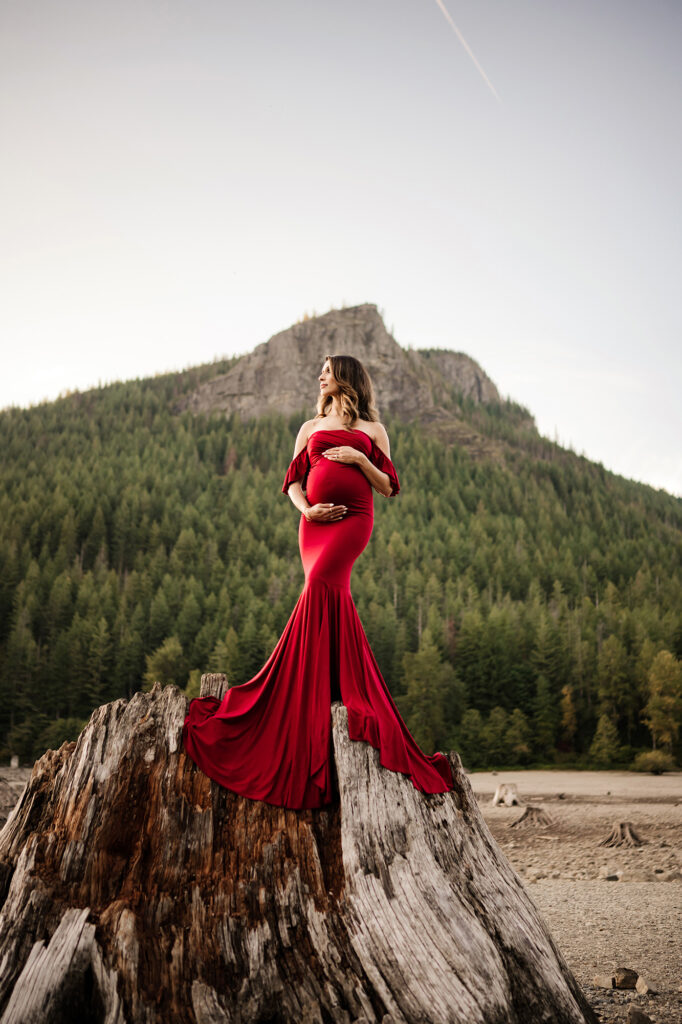
Photo by Svetlana Ozik
7. Retouching Still Matters
Yes, there’s a growing movement toward natural, unretouched images.
And that’s valid—if your image clearly reads as documentary storytelling.
But if it doesn’t?
Polish matters.
In several cases, the difference in technical score came down to:
- Stray hairs
- Skin distractions
- Small details that weren’t refined
Retouching doesn’t have to be heavy—but it should be intentional.
8. Use Black & White More Strategically
Black and white photography is incredibly powerful—both as a final image and as a diagnostic tool.
Ask yourself: does color enhance the story—or distract from it?
Try converting your images to black and white during editing:
- It will reveal flat lighting
- It will expose weak contrast
- It helps you evaluate composition more clearly
Sometimes removing color reveals the truth of the image.
9. Cropping Can Make or Break Your Score
I saw so many images lose points for something easily fixable: cropping.
Common issues:
- Too much negative space
- Awkward limb chops
- Slightly “off” compositions
A thoughtful crop can:
- Strengthen your composition
- Direct attention
- Eliminate distractions
Don’t overlook this step—it’s one of the easiest ways to improve your photography competition entry.
10. Flat Lighting Isn’t Your Friend
A perfectly exposed image is great for clients.
But it’s often… boring.
Competition images need dimension, depth, and intention.
Studio Photographers: You have full control—use it.
- Shape light
- Create shadows
- Add drama
Flat lighting doesn’t showcase your skill.
On-Location Photographers: Yes, it’s harder—but not impossible.
- Use directional light
- Find shadows
- Use reflectors
- Make intentional choices
If you want to stand out in a photography competition, your use of light must be deliberate.
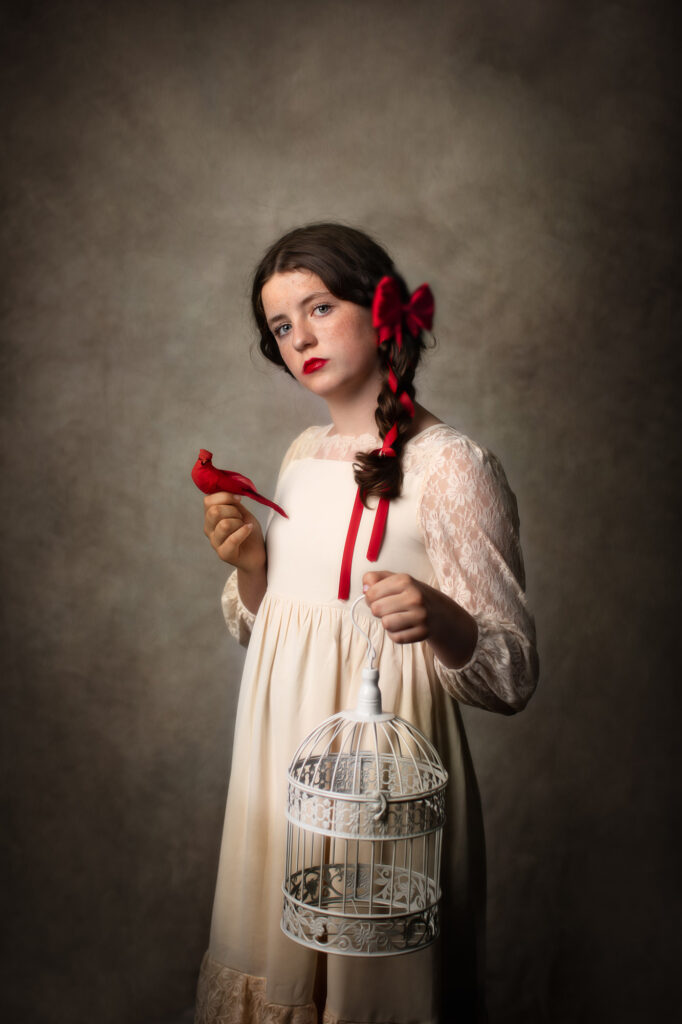
Photo by Kat Jones
11. Lens Flare: Why Is It There?
Lens flare can look cool—but what does it add?
If it doesn’t contribute to the story, the composition or the emotion it’s likely hurting more than helping. Use it intentionally—or skip it.
12. Technical Scores Go Beyond Focus
When judges evaluate technical merit, we’re looking at everything:
- Exposure
- Composition
- Cropping
- Editing choices
- Retouching
- Highlights and shadows
Even strong images lose points when:
- Editing is heavy-handed
- Composition feels accidental
- Distractions pull attention away
You don’t need perfection—but you do need intentionality.
13. Reinvent the Familiar
Let’s be honest—almost everything has been done before.
Your job? Make it feel new.
We saw hundreds of:
- Smiling kids outdoors
- Wrapped newborns
- Family portraits
But the images that stood out had:
- Unique posing
- Strong lighting
- Thoughtful composition
- Authentic emotion
It’s not about doing something completely new—it’s about doing something familiar in a fresh way.
Final Thoughts: How to Improve Your Photography Competition Entries
If you take one thing away from this:
The difference between a good image and an award-winning photograph is often small, intentional refinement.
- Seek feedback
- Push beyond the safe shot
- Pay attention to technical details
- Shoot with purpose
If you’d more information on entering our 2026 Image Competition you can find more info here. If mentoring with one of our mentors to help you decide and tweak your images for a competition you can find that info here too.
And most importantly—keep creating.
Willy Wilson, Life Unstill Photography
NAPCP 2022 Photographer of the Year
